
A Taste of Louisiana: Understanding Cajun and Creole Cooking
Louisiana: Cajun and Creole cuisines continue to define the rich culinary identity of the southern U.S. state of Louisiana, reflecting centuries of cultural exchange and regional adaptation.
Rooted in diverse histories, Creole cuisine emerged in New Orleans among descendants of French and Spanish settlers, later influenced by African, Caribbean and European traditions. Known for its refined style and use of tomatoes, butter and rich sauces, Creole food represents the cosmopolitan heritage of the region.
Cajun cuisine, on the other hand, traces its origins to French-speaking Acadian settlers who migrated from Canada to rural southwest Louisiana, now known as Acadiana. Characterised by bold spices and rustic preparation, Cajun cooking relies heavily on locally available ingredients and the “holy trinity” of onion, celery and bell pepper.
While both traditions have distinct roots, they have increasingly blended over time, making Louisiana a culinary melting pot. One of the simplest ways to distinguish the two is the use of tomatoes—commonly found in Creole dishes but less prominent in traditional Cajun recipes.
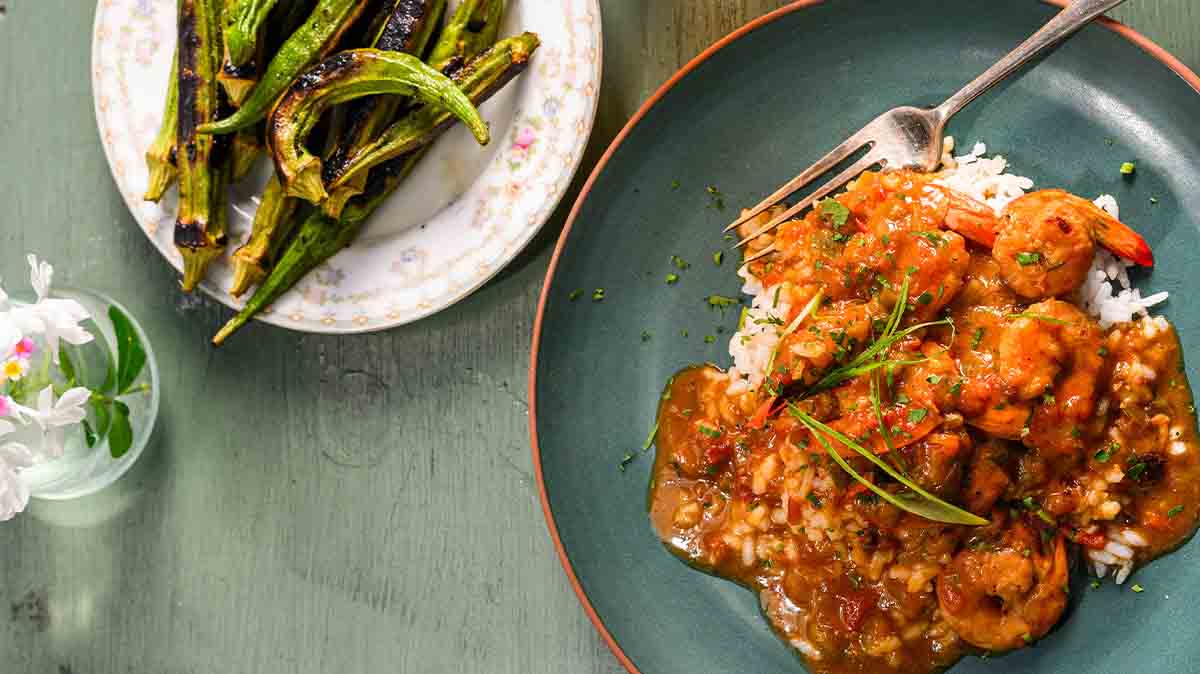
Signature dishes from the region include gumbo, a hearty stew made with roux, rice and meat or seafood; jambalaya, a spiced rice dish inspired by Spanish paella; and étouffée, a rich stew typically made with shellfish. Other staples such as boudin, a pork and rice sausage, and andouille, a smoked sausage, further highlight Cajun culinary traditions.
Food trails and local eateries across Louisiana continue to celebrate these iconic dishes, drawing visitors keen to experience the state’s vibrant food culture.
Experts note that beyond taste, Cajun and Creole cuisines represent resilience, migration and cultural fusion—offering a window into Louisiana’s history while continuing to evolve with modern influences.