
Understanding Ultra-Processed Foods Through Science and Balance
Chennai, April 8, 2026: On the occasion of World Health Day 2026, themed “Together for Health: Stand with Science,” health experts are calling for a science-based understanding of diet, particularly in the context of rising concerns around ultra-processed foods (UPFs) and obesity in India.
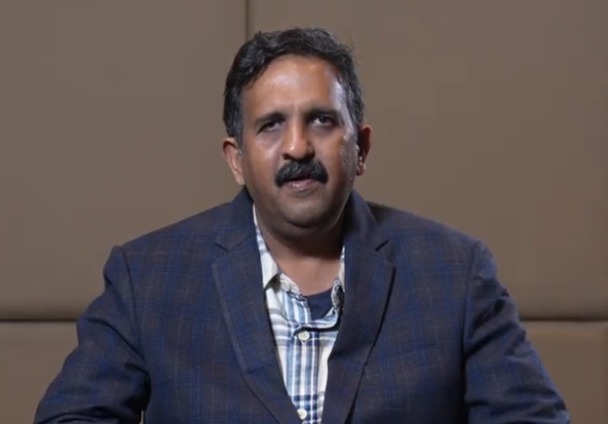
Dr. Raghavendra Rao, Vice President – Research and Integrative Medicine at the HCG Oncology Group and former Director of the Central Council for Research in Yoga & Naturopathy, emphasized that public discourse on food must move beyond fear-driven narratives, especially regarding fats.
Rising Obesity Concerns
India is witnessing a sharp increase in overweight and obesity across age groups. Reports such as the UNICEF Child Nutrition Global Report 2025 and the India Economic Survey 2025–26 highlight unhealthy diets, increased consumption of ultra-processed foods, and sedentary lifestyles as key contributors.
Particularly concerning is the rise in childhood obesity. India is projected to have over 27 million children and adolescents living with obesity by 2030. Overweight prevalence among children under five has more than doubled in the past decade, increasing long-term risks of diabetes, hypertension, and cardiovascular diseases.
Ultra-Processed Foods and Fat Misconceptions
Experts note that ultra-processed foods—typically high in sugar, salt, and unhealthy fats while low in fibre and micronutrients—are replacing traditional home-cooked meals. These foods are often heavily marketed, especially to younger populations.
Dr. Rao clarified that not all food processing is harmful. Traditional methods such as cooking, fermenting, drying, and freezing play a crucial role in food safety and accessibility. However, ultra-processed foods differ significantly, being industrial formulations containing refined ingredients, additives, and preservatives designed to enhance taste and shelf life.
He also addressed confusion around fats. While trans fats are widely recognised as harmful and linked to cardiovascular diseases, saturated fatty acids should be evaluated based on overall diet, quantity, and source. Simplistic messaging that “all fats are bad” can be misleading.
Balanced Use of Edible Oils
Edible oils remain an essential component of a balanced diet, providing energy, aiding absorption of vitamins A, D, E, and K, and supporting overall health.
Nutrition experts recommend diversity in oil consumption rather than reliance on a single type. Oils such as mustard, groundnut, sesame, rice bran, sunflower, soybean, coconut, and palm oil each offer distinct nutritional profiles and cooking benefits.
Rotating oils and using them appropriately—for high-heat cooking, tempering, or raw consumption—can help maintain a balanced intake of fatty acids and nutrients.
Science-Based Dietary Choices
The World Health Day theme underscores the need to rely on scientific evidence rather than misinformation in making dietary choices. Experts stress that tackling obesity requires a holistic approach, including:
Balanced and diverse diets
Reduced intake of ultra-processed foods
Increased physical activity
Improved nutrition awareness
Additionally, moderating oil consumption—by measuring usage and limiting intake to approximately 600–700 ml per person per month—can contribute to better health outcomes.
A Call for Informed Eating
Dr. Rao concluded that sustainable health solutions lie in evidence-based eating patterns rooted in traditional dietary diversity, rather than extreme restrictions or fear-based approaches.
As India grapples with rising obesity levels, experts believe that adopting balanced diets and informed food choices can play a critical role in improving public health outcomes.