MGM Cancer Institute Treats Stage-II Breast Cancer Patient Using Internal Radiation Therapy
Chennai: MGM Cancer Institute has successfully treated a 54-year-old woman diagnosed with Stage-II breast carcinoma using brachytherapy, an advanced form of internal radiation therapy, following the surgical removal of the tumour.
Breast carcinoma is a type of cancer that originates in the milk ducts or lobules, the milk-producing glands of the breast. After performing a lumpectomy, a surgical procedure to remove the tumour, doctors used brachytherapy to target any remaining microscopic cancer cells and reduce the risk of recurrence.
Brachytherapy is a form of internal radiation therapy in which thin tubes, known as catheters, are inserted into the area where the tumour was removed. This allows radiation to be delivered directly to the site most at risk of recurrence rather than exposing the entire breast to radiation.
In this case, five catheters were placed in the patient’s breast, and radiation treatment was administered in four sessions over two days.
According to the medical team, brachytherapy enables highly targeted radiation delivery while minimising exposure to surrounding healthy tissues. The approach reduces radiation exposure to nearby organs such as the heart and lungs and may help limit side effects including scarring, skin pigmentation changes and fibrosis.
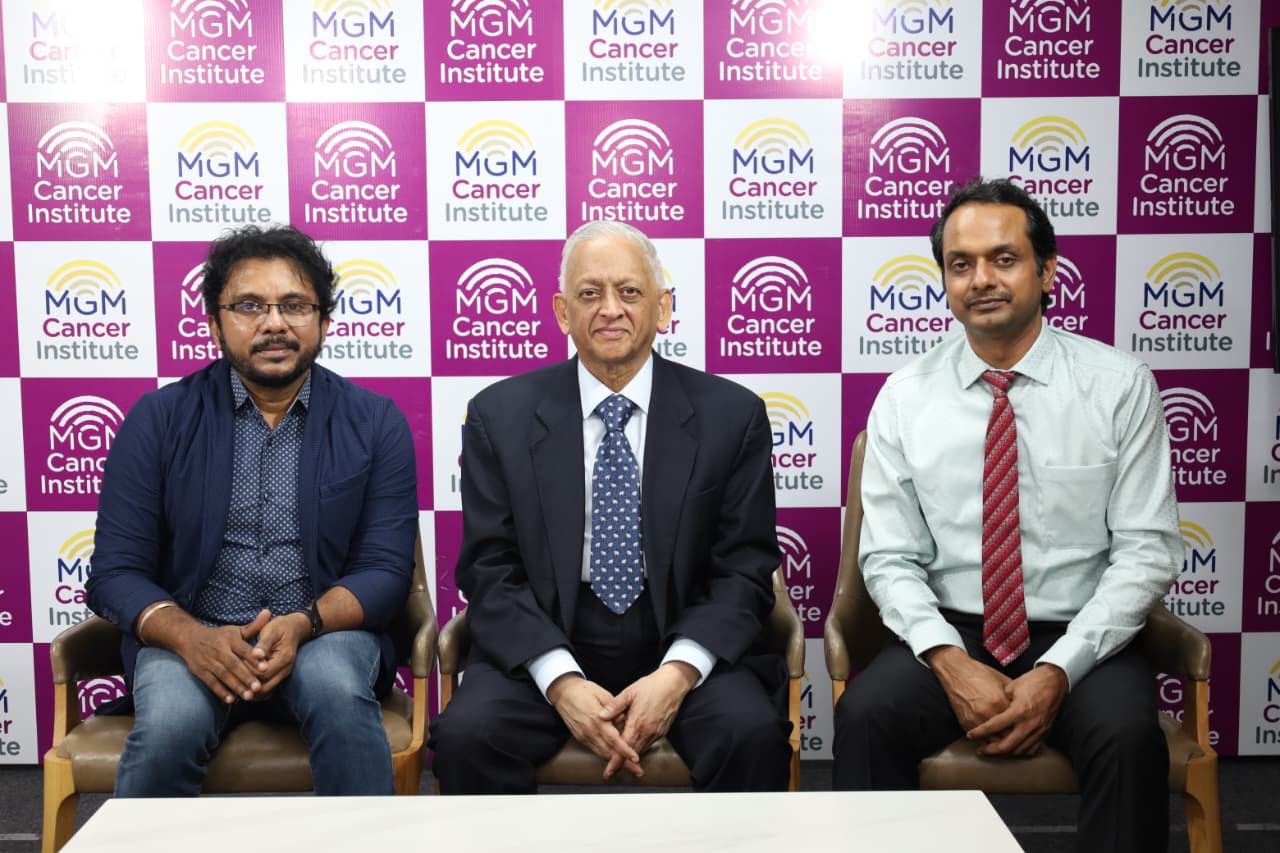
The procedure was carried out by teams led by Dr. Sivakumar Mahalingam, Senior Consultant and Surgical Oncologist, and Dr. Alex A. Prasad, Senior Consultant and Radiation Oncologist.
Dr. Alex A. Prasad said that brachytherapy delivers radiation in a highly targeted manner, helping keep exposure to surrounding organs within safe limits and reducing radiation-related damage. He added that the procedure may also reduce side effects commonly associated with conventional radiation therapy, including skin peeling, fibrosis, pigmentation changes and scarring.
Dr. Sivakumar Mahalingam said that after surgically removing the tumour, the team performed tumour-bed boost brachytherapy to target any residual microscopic cancer cells. He noted that one of the advantages of the procedure is its ability to preserve the breast while minimising radiation exposure to vital organs such as the heart and lungs. He also highlighted the importance of a multidisciplinary team approach in achieving optimal patient outcomes.
Dr. M. A. Raja, Director and Senior Consultant, Medical Oncology, stated that breast-conserving treatment now focuses not only on tumour removal but also on maintaining quality of life. He said interstitial brachytherapy allows precise targeting of the tumour bed after surgery while reducing unnecessary radiation exposure to the heart, lungs and skin.
Medical experts noted that brachytherapy has shown strong disease-control outcomes, with reported recurrence rates ranging from 1–2% in Stage-I breast cancer and 2–5% in Stage-II breast cancer.