
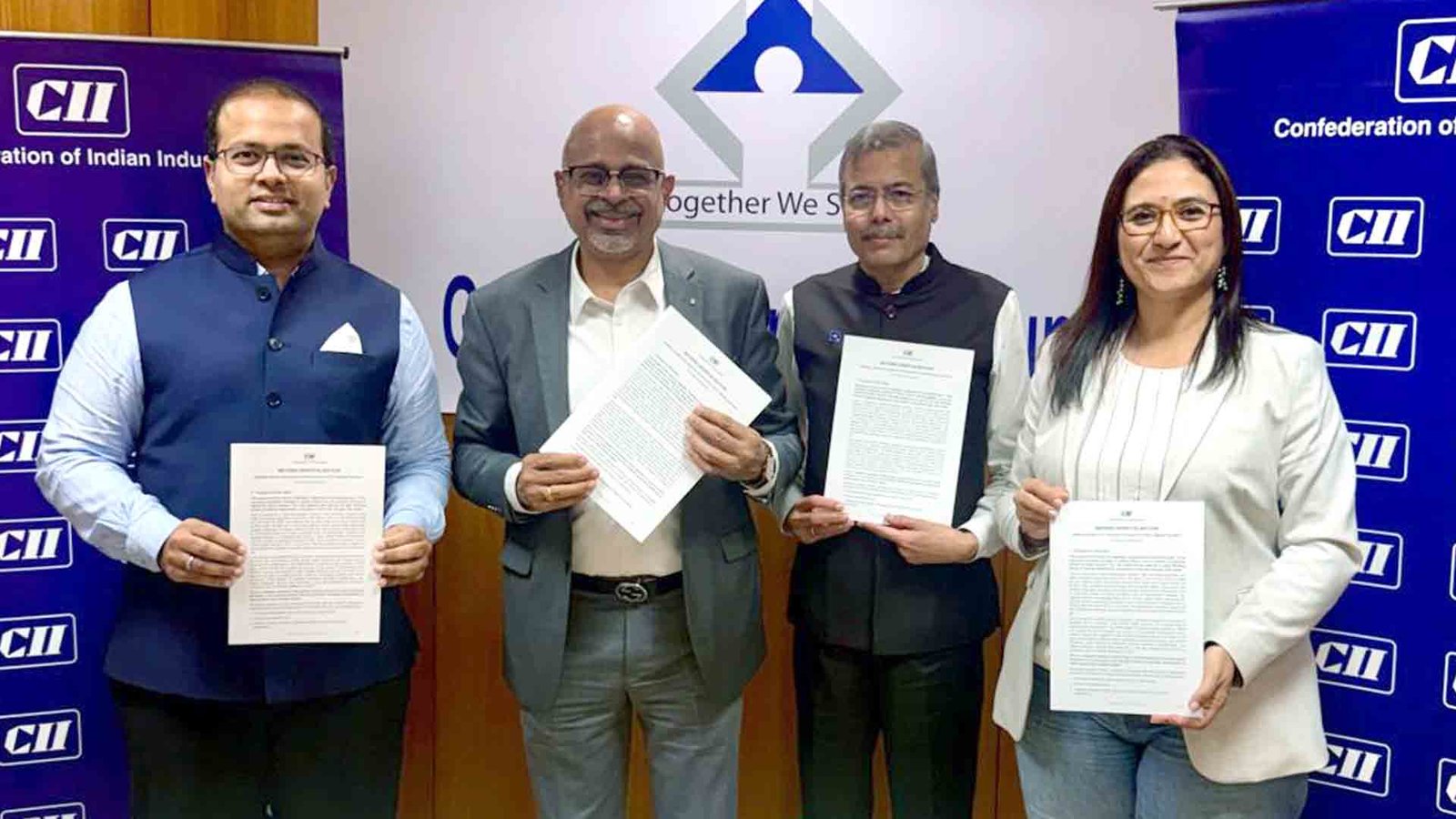
Long-Term Care Should Be Treated as Separate Insurable Risk: Senior Care Experts
Mumbai: Senior care and insurance experts have called for long-term care (LTC) to be recognised as a separate insurable risk, distinct from acute hospitalisation, amid the growing healthcare needs of India’s ageing population.
The issue was discussed at the General Insurance Council (GIC) Council Meeting held in Mumbai on September 4. Experts said increasing longevity is creating greater demand for prolonged rehabilitation, nursing and palliative care, assistance with daily activities, dementia supervision and residential care.
They proposed a phased approach to develop insurance coverage for long-term care, allowing insurers and senior-care providers to build experience and generate India-specific data.
The recommendations include introducing LTC and cognitive-impairment riders in existing retail and group health insurance policies. Standalone long-term care and assisted-living insurance products could subsequently be developed over a period of two to three years.
Under the proposed framework, benefits could be linked to defined care-dependency conditions, including the inability to perform a specified number of Activities of Daily Living (ADLs) or significant cognitive impairment.
Experts have also suggested linking insurance coverage with licensed and accredited care facilities that meet specified quality and safety standards. Simplified claims procedures for cognitive impairment, elder-friendly processes and standardised assessment formats for treating doctors have also been proposed.
The framework further calls for exploring premium incentives and tax-linked support to make LTC insurance more affordable. Pilot programmes involving insurers and senior-care stakeholders have been suggested to generate data on care utilisation, dependency, rehabilitation, caregiving and costs before comprehensive products are developed.
Out-of-pocket expenses remain a concern
Government healthcare programmes and private health insurance provide coverage for several medical expenses, but costs associated with caregivers, rehabilitation, home healthcare, dementia care, assisted living and continuing care are often borne by families.
Dr. Karthik Narayan R, Founder and MD, Athulya Senior Care, and Chairperson of the CII Committee on Senior Care, said India’s ageing population is changing the nature of healthcare demand.
He said a growing number of people may require extended support with daily activities, rehabilitation, assisted living and cognitive care, creating financial pressure on families. According to him, recognising long-term care as a distinct insurable risk could help address the gap between medical treatment and prolonged care.
Dr. S Prakash, CEO of GIC Health, said insurers would require clear guidelines on eligibility, assessment of care requirements, quality standards for care providers and pricing.
He suggested that pilot programmes and employer-linked insurance plans covering elderly citizens could help insurers gain experience and collect data for developing sustainable LTC products.
Shyam Viswanathan, Co-Founder of Dementia India Alliance (DIA) and Association for Healthy Ageing (AHA), said dementia requires particular consideration in long-term care as support may be needed for several years beyond treatment of the underlying condition.
He also pointed to the costs families incur for supervision, daily assistance and supportive or residential care, and called for caregiver-friendly claims processes and access to different care settings beyond hospitals.
The experts said a phased approach could help insurers and senior-care stakeholders build the data and experience required to develop long-term care insurance products suited to India’s ageing population.