Experts Stress Need for Structured Post-Surgery Recovery Care Beyond Home Support
Chennai: Medical experts and healthcare providers are increasingly highlighting the importance of structured rehabilitation and professional post-surgical care, as shorter hospital stays shift a larger part of patient recovery to homes and transition care facilities.
With advances in medical technology, procedures such as knee replacement, hip surgery, cardiac intervention, and spinal surgery now require significantly shorter hospitalisation periods. However, healthcare professionals point out that recovery after discharge continues to demand careful monitoring, physiotherapy, medication management, and specialised rehabilitation support.
Experts note that many Indian families face challenges in managing post-surgery care at home, especially for elderly patients and those recovering from major orthopaedic, neurological, or cardiac conditions. Daily physiotherapy, wound care, mobility support, and emergency response preparedness often require trained clinical supervision that may not be readily available in most households.
According to healthcare studies, nearly 15 to 20 per cent of patients globally are readmitted to hospitals within 30 days of discharge, with inadequate post-discharge care being one of the leading causes. Medical professionals warn that the risk may be higher in India due to limited access to organised rehabilitation systems.
Specialists say home recovery may work effectively for patients undergoing minor procedures or those with minimal clinical needs and strong family support. However, patients recovering from stroke, paralysis, major orthopaedic surgeries, ICU stays, or multiple health complications often require structured rehabilitation programmes and round-the-clock monitoring.
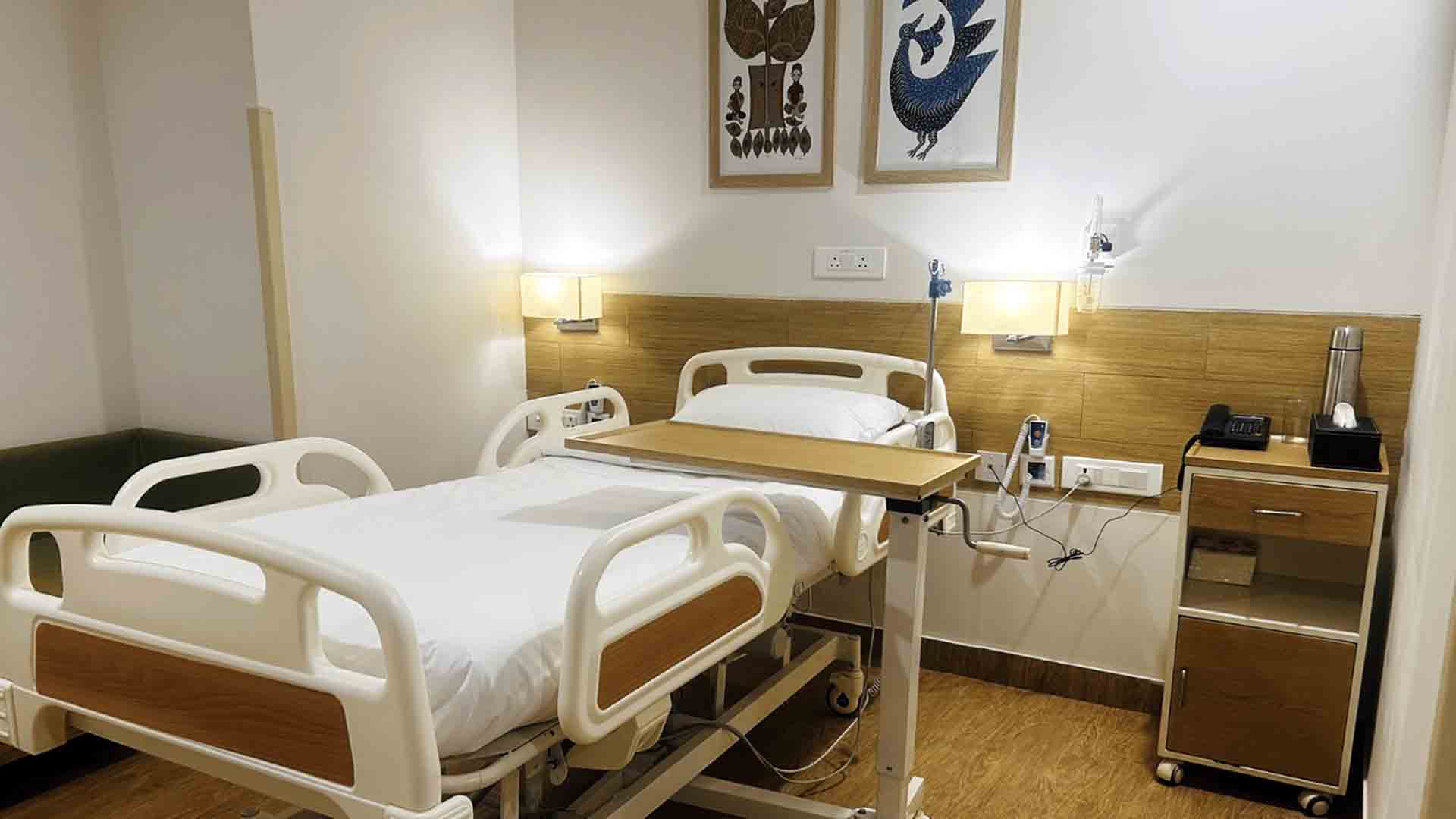
As a result, transition care homes and specialised rehabilitation centres are emerging across Indian cities to bridge the gap between hospital discharge and complete recovery at home. These facilities provide medical supervision, physiotherapy, nursing care, neuro rehabilitation, cardiac rehabilitation, and mobility support in a more comfortable setting than traditional hospitals.
Healthcare providers state that the growing awareness around post-surgical recovery is encouraging families to focus not only on patient comfort but also on ensuring safe and clinically supported healing environments.
Industry experts believe the shift reflects changing healthcare needs in urban India, particularly as the country’s elderly population continues to rise and demand for long-term rehabilitation and recovery care increases.